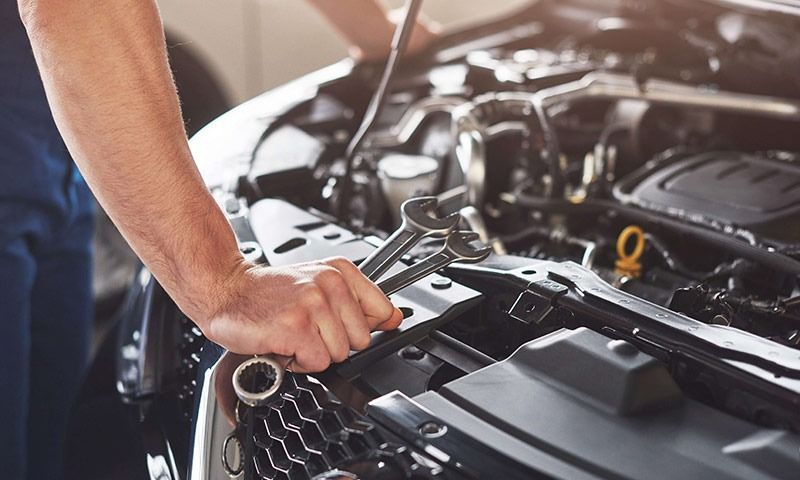
The automotive world is evolving faster than ever, and with it, the way we care for our vehicles is undergoing a major transformation. Gone are the days when car maintenance meant only oil changes, tire rotations, and the occasional visit to a mechanic. Modern cars are now equipped with advanced technology, smart sensors, and digital systems that completely reshape how drivers approach vehicle upkeep. This shift is not just about convenience but also about safety, efficiency, and long term cost control.
The Rise of Smart Vehicle Technology
Today’s vehicles are more like computers on wheels than simple mechanical machines. Built in sensors constantly monitor engine performance, fluid levels, tire pressure, brake wear, and even driving behavior. These systems provide real time feedback through dashboard alerts, mobile apps, and digital service records.
Instead of waiting for something to break, drivers are now warned in advance. Predictive maintenance is becoming the norm, where the car itself helps identify potential issues before they turn into serious problems. This reduces sudden breakdowns and helps owners plan service appointments more effectively.
Just as people rely on trusted information platforms such as https://hindiattitudeshayari.com/blog/ for insights in other areas of life, drivers are now turning to vehicle data and digital reports as reliable guides for car care decisions.
Predictive Maintenance Over Reactive Repairs
One of the biggest changes in vehicle maintenance is the shift from reactive to proactive care. In the past, many car owners waited until they heard strange noises or experienced performance issues. Modern vehicles, however, use diagnostic systems to detect minor irregularities early.
These early warnings allow mechanics to address small concerns before they become major repairs. For example, sensors can detect engine misfires, battery weakness, or brake wear long before a driver notices any symptoms. This not only improves safety but also saves money by avoiding large repair bills.
Vehicle health reports, often accessible through apps or onboard screens, give drivers a clearer understanding of their car’s condition. Maintenance becomes less of a guessing game and more of a data informed process.
Software Updates Are the New Tune Ups
Another major change in vehicle maintenance comes from the growing role of software. Many modern cars receive over the air updates, similar to smartphones. These updates can improve performance, fix system bugs, enhance safety features, and even add new capabilities.
This means that maintaining a vehicle is no longer just about physical parts. Digital systems need attention too. Drivers must ensure their vehicle software stays updated, as outdated systems can affect navigation, driver assistance features, and fuel efficiency.
Online platforms that focus on digital trends, such as Hiddenfacedps, reflect how technology now influences nearly every aspect of life, including transportation. Cars are becoming connected devices that rely heavily on software health.
Changing Role of Mechanics and Service Centers
Modern automotive maintenance also changes what mechanics do. Technicians now need advanced training to handle electronic systems, computer diagnostics, and hybrid or electric powertrains. Traditional mechanical knowledge is still important, but digital expertise has become equally critical.
Service centers are investing in diagnostic tools that can read complex vehicle data. Mechanics use this information to pinpoint issues quickly, reducing guesswork and repair time. This shift improves accuracy and helps ensure vehicles are serviced according to manufacturer guidelines.
For car owners, this means choosing qualified service providers is more important than ever. The quality of diagnostic equipment and technical skill directly affects vehicle longevity.
Electric and Hybrid Vehicles Reshaping Maintenance
The growth of electric and hybrid vehicles introduces another major shift. These vehicles have fewer moving parts compared to traditional internal combustion engines. There is no need for oil changes, and brake wear can be reduced due to regenerative braking systems.
However, maintenance still matters. Battery health, cooling systems, and electronic components require specialized attention. Owners must understand that while some traditional tasks disappear, new forms of care emerge.
Information driven platforms like networthbrief.com often discuss how technology influences industries, and the automotive sector is a perfect example. The transition toward electric mobility changes both ownership costs and maintenance habits.
Driver Behavior and Data Awareness
Modern cars not only monitor vehicle systems but also driving behavior. Aggressive acceleration, harsh braking, and high speed driving can be recorded and analyzed. Some systems provide driving scores or tips to encourage safer and more efficient habits.
This feedback loop influences maintenance needs. Gentle driving can extend tire life, reduce brake wear, and improve fuel efficiency. Drivers become active participants in preserving their vehicle rather than passive users.
Understanding how daily driving choices affect long term vehicle health helps people take more responsibility. Maintenance is no longer something that happens only in workshops; it begins behind the steering wheel.
Convenience and Transparency for Owners
Digital service records, online booking, and maintenance reminders make the process more organized. Owners can track service history, view recommended tasks, and plan budgets more effectively. Transparency reduces uncertainty and builds confidence in maintenance decisions.
Connected cars also allow remote diagnostics. Some issues can be identified without even visiting a service center, saving time and effort. This convenience makes regular upkeep less stressful and more manageable.
Conclusion
Modern cars are redefining vehicle maintenance through technology, data, and digital connectivity. Smart sensors, predictive systems, software updates, and advanced diagnostics transform how we care for our vehicles. Maintenance is shifting from reactive repairs to proactive, informed decisions.
As automotive technology continues to evolve, drivers who stay aware and adapt to these changes will benefit from safer, more reliable, and longer lasting vehicles. The future of car maintenance is not just mechanical; it is digital, intelligent, and deeply connected to how we use technology in everyday life.


